
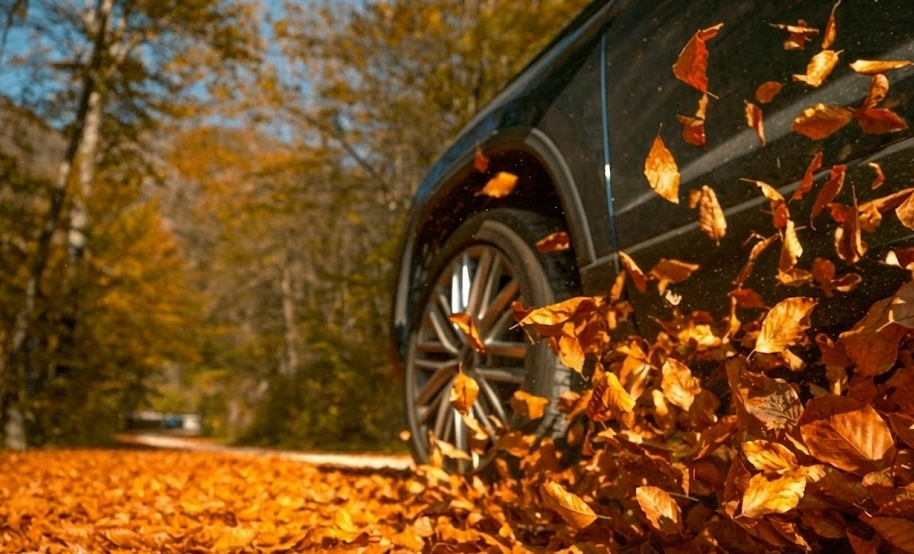
Louisville’s tree-lined streets are absolutely beautiful during fall, especially when the leaves start changing color across neighborhoods like The Highlands and around Cherokee Park. But here’s something most drivers don’t realize until it’s too late: those picturesque leaves covering the roads quickly become one of the most dangerous driving hazards of the entire year. When mixed with rain, fallen leaves create a surface that’s surprisingly similar to ice, drastically extending your stopping distance and making even familiar routes feel treacherous. Before you start worrying about snow and winter storms, there’s a more immediate threat lurking on Louisville’s hilly backroads right now—and it’s worth scheduling your tire inspection to make sure your Honda is ready to handle it safely.
Why Wet Leaves Are the “Black Ice” of Fall Driving
Most Louisville drivers know to watch for ice when winter arrives, but wet leaves pose a strikingly similar danger that catches people off guard. Here’s the science: leaves have a natural waxy coating that helps trees retain moisture. When those leaves fall and mix with rain, that waxy layer creates an incredibly slick surface between your tires and the pavement—behaving almost exactly like black ice and significantly reducing your tires’ grip on the road.
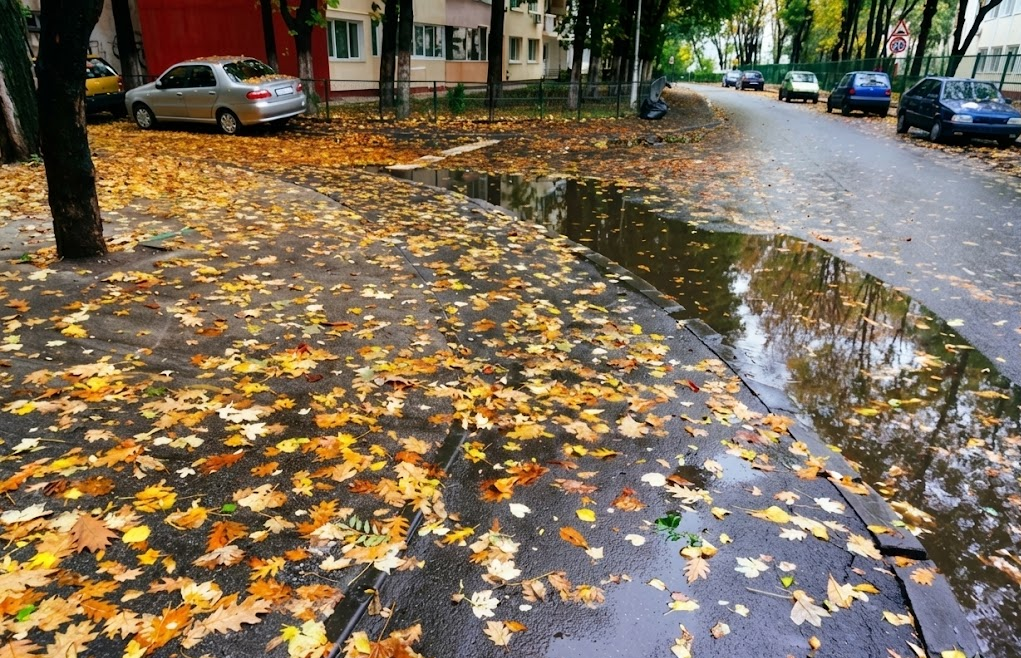
This becomes especially problematic in Louisville’s historic neighborhoods where mature trees line streets densely. Areas like The Highlands, Crescent Hill, and roads through Cherokee Park accumulate heavy leaf buildup throughout October and November. When The Ville gets typical fall rain, these tree-covered roads transform into hazardous zones where even cautious drivers slide unexpectedly. According to safety experts, wet weather significantly increases stopping distances, and adding decomposing leaves compounds this dramatically. As leaves break down, they create a slippery mulch layer that’s even more treacherous than fresh leaves, making your tires lose their ability to channel water effectively. This is particularly concerning on Louisville’s hilly streets where gravity adds momentum, making it harder to slow down approaching intersections or navigating curves you’ve driven hundreds of times before.
The Hydroplane Hazard: It’s Not Just About Snow
While everyone thinks about preparing for winter snow, hydroplaning on wet leaves poses an immediate risk that arrives weeks earlier. Hydroplaning occurs when water builds up between your tires and the road faster than your tire treads can push it away. When leaves cover roads and block storm drains, water pools in unexpected places, creating hydroplaning hazards even at moderate speeds.
Louisville’s fall weather pattern makes this especially relevant. The city experiences rain showers during October and November, often with falling temperatures that make roads even more slippery. When leaves clog drainage systems throughout Jefferson County, water collects in surprising locations, particularly problematic during morning and evening commutes around Bardstown Road and Frankfort Avenue. On Louisville’s many curved and hilly roads—which describes much of The Ville perfectly—encountering standing water mixed with leaf debris can cause complete traction loss instantly, leaving you unable to control your Honda’s direction or speed effectively.
The Tread Depth Reality Check: Why “Legal” Isn’t Always Safe
Many drivers assume their tires are safe as long as they meet the legal minimum tread depth of 2/32 of an inch. While that might keep you within legal limits, it’s genuinely inadequate for handling Louisville’s wet, leaf-covered roads safely. Tire treads are designed with channels that push water and debris away from where your tire meets the road. As tread depth decreases, these channels become less effective at moving water quickly.
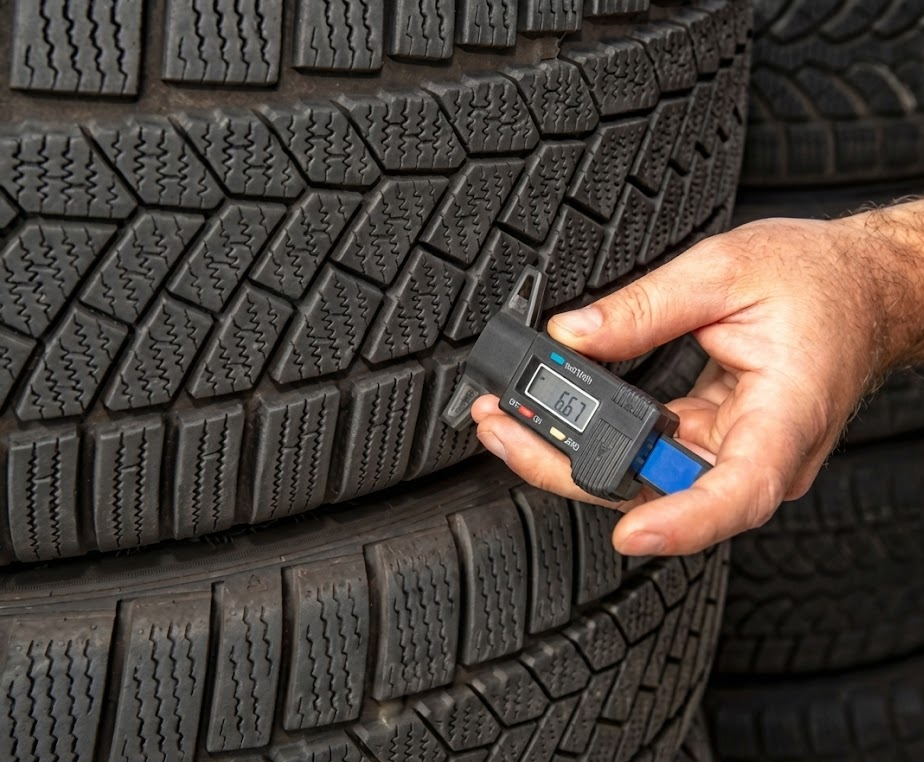
When driving on roads covered with wet leaves, your tires need deeper treads to evacuate both water and leaf debris simultaneously. Honda World Louisville’s Express Service lane can quickly check your tread depth and provide honest assessment of whether your tires can handle fall’s challenging conditions. Safety experts recommend replacing tires well before the legal minimum—ideally around 4/32 of an inch for wet conditions, perfectly describing Louisville’s climate from October through April. Honda World Louisville’s factory-trained technicians use precise digital gauges during inspections, providing exact measurements and recommendations based on your specific driving conditions and Honda model’s requirements, ensuring you’re not guessing about safety on Louisville’s challenging fall roads.
The “Honda Recommended” Advantage: Restoring Factory-Fresh Safety
When it’s time to replace your tires, choosing Honda Recommended Tires isn’t just about brand loyalty—it’s about maintaining the safety and performance standards your Honda was engineered to deliver. Honda carefully tests tires to match each model’s weight distribution, suspension geometry, and handling characteristics. When you purchased your Honda new, it came with tires chosen specifically to help earn its safety ratings and provide the driving dynamics Honda engineered into that model.
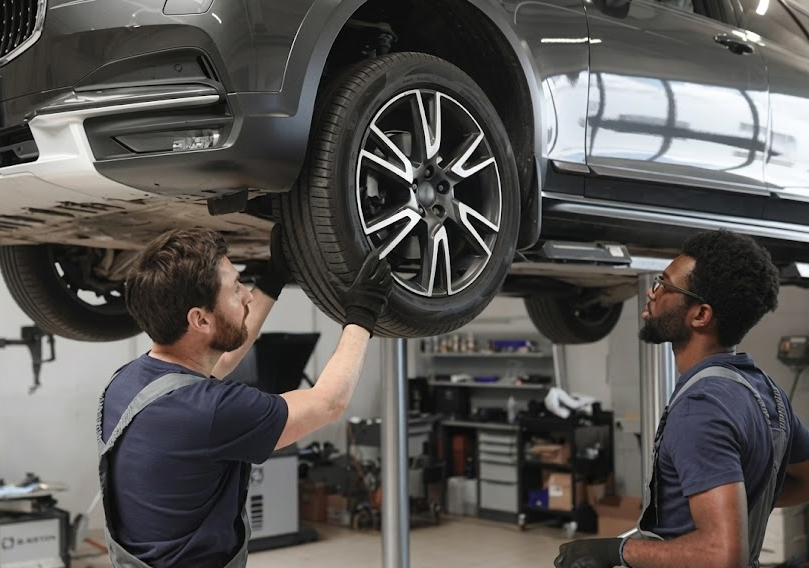
Honda Recommended Tires maintain the precise rolling resistance for your fuel economy ratings, provide grip characteristics necessary for safety systems like Vehicle Stability Assist to function properly, and deliver noise cancellation that keeps your cabin quiet. Budget alternatives or mismatched brands can compromise these engineered characteristics, noticeably affecting how your Honda handles Louisville’s wet, leaf-covered roads. Modern Hondas feature sophisticated traction control, anti-lock braking, and stability systems that rely on consistent tire performance. Using tires that don’t meet Honda’s specifications can reduce system effectiveness precisely when needed most—like navigating a slippery curve on a leaf-covered backroad near Cherokee Park. Check current Honda tire specials to see how affordably you can restore factory-fresh safety standards before Louisville’s challenging driving season.
Your Pre-Winter Strategy: Inspect, Rotate, & Replace
Taking action now, before Louisville’s first winter storm, positions you ahead of the seasonal rush and ensures your Honda is ready for whatever The Ville throws your way. Here’s a smart three-step strategy:
- Inspect Thoroughly: Schedule a comprehensive tire inspection measuring tread depth accurately, checking for uneven wear indicating alignment issues, examining sidewalls for cracks or bulges, and verifying proper pressure. Honda World Louisville’s technicians complete thorough inspections quickly with clear explanations and honest recommendations.
- Rotate Regularly: Regular rotation extends tire life significantly by promoting even wear, typically adding thousands of miles. For most Hondas, rotation every 5,000 to 7,500 miles maintains balanced handling. This becomes especially important before fall when you need maximum traction consistently, while giving technicians opportunities to spot potential problems early.
- Replace Proactively: If inspection reveals tread below 4/32 of an inch, uneven wear, or visible damage, replacing tires before Louisville’s wet season intensifies is wise. Waiting only increases risk while potentially leaving you shopping during the busiest, most stressful time. Replacing proactively often means better selection, more flexible scheduling, and peace of mind.
This approach saves you from emergency tire replacement during snowstorms or after sliding through intersections on wet leaves, protecting you from higher costs when demand spikes. By addressing tire maintenance during fall’s mild weather, you’re making the smart choice that protects your family while keeping your Honda performing as engineered.
Understanding Louisville’s Unique Driving Challenges
Louisville’s rolling hills and tree-lined neighborhoods create specific challenges that make proper tire maintenance absolutely essential during fall months. The Ville’s elevation changes mean gravity constantly affects your vehicle’s momentum, making worn tires particularly dangerous when descending hills on leaf-covered streets near Iroquois Park or through curves on River Road. The city’s extensive tree canopy creates heavy leaf accumulation throughout established neighborhoods like Old Louisville, Clifton, and Audubon Park, turning familiar routes into hazardous surfaces when wet.

Louisville’s climate patterns compound these challenges with frequent temperature fluctuations during October and November. According to the National Weather Service’s winter driving safety guidelines, preparing your vehicle before severe weather arrives significantly reduces accident risk. For Louisville drivers, this preparation needs to start in mid-October, well before the first snowflake falls, when leaf coverage is heaviest and rain showers are most frequent.
Louisville Tire Safety Comparison
| Tread Depth | Dry Pavement Performance | Wet Leaf Safety Rating | Recommended Action |
|---|---|---|---|
| 8/32″ or deeper (New) | Excellent | Excellent – Handles Louisville’s wet, leaf-covered roads confidently | Continue regular maintenance and rotations |
| 6/32″ to 7/32″ | Very Good | Good – Still safe but monitor closely during fall | Plan replacement within next few months |
| 4/32″ to 5/32″ | Adequate | Marginal – Reduced water evacuation on wet leaves | Replace before Louisville’s wet season intensifies |
| 2/32″ to 3/32″ | Legal Minimum | Unsafe – Inadequate for wet, leaf-covered roads | Replace immediately – safety hazard |
What Honda World Louisville Customers Can Expect
Honda World Louisville’s commitment to exceptional service has earned DealerRater recognition multiple years running, reflecting genuine dedication to customer satisfaction. When you bring your Honda in for tire service, you work with factory-trained technicians who understand your model’s requirements and provide expert guidance tailored to your driving habits and Louisville’s road conditions. The Express Service program handles many tire services quickly without appointments, while convenient online scheduling lets you book comprehensive services that fit your schedule perfectly. This customer-focused approach means honest, expert recommendations about what matters for your Honda’s safety—never pressure for unnecessary services.
Frequently Asked Questions
Q: Are wet leaves really as dangerous as snow for my Honda?
A: Yes, they genuinely are. Wet leaves have a waxy coating that, when mixed with water, creates a surface almost as slick as black ice, significantly increasing stopping distances and reducing your tires’ grip on Louisville’s roads.
Q: How do I know if my tire tread is deep enough for wet roads?
A: While the legal minimum is 2/32 of an inch, Honda World Louisville recommends replacing tires before they reach this point—ideally around 4/32 of an inch for Louisville’s wet, leaf-covered fall and winter roads to ensure your tires can effectively channel water and debris away from the contact patch.
Q: Why should I choose Honda Recommended Tires over budget options?
A: Honda Recommended Tires are selected specifically for your model’s weight distribution and handling profile, ensuring you maintain the safety ratings and performance characteristics your car had when it was brand new, which is especially important for proper function of electronic safety systems.
Q: How often should I have my tires inspected?
A: Honda recommends tire inspections at every oil change, typically every 5,000 to 7,500 miles (or when your Maintenance Minder indicates), but Louisville drivers should definitely schedule an additional inspection before fall weather intensifies, around mid-October, to ensure tires are ready for wet, leaf-covered roads.
Q: Can I just replace two tires instead of all four?
A: While replacing all four tires is ideal for balanced handling, if budget requires replacing just two, always place the newer tires on the rear axle regardless of whether your Honda is front-wheel or all-wheel drive, as this significantly improves stability and reduces oversteer risk on wet, slippery roads.
Schedule Your Honda Tire Inspection at Honda World Louisville Today
Don’t wait for the first snowflake to discover your tires aren’t ready for Louisville’s challenging fall and winter roads. The factory-trained technicians at Honda World Louisville are here to ensure your Honda handles wet, leaf-covered streets safely, whether you drive a brand-new CR-V or a trusted Accord that’s been serving you reliably for years. Honda World Louisville has the right diagnostic tools, genuine Honda parts, and specialized knowledge to handle any tire issue efficiently and effectively, keeping you and your family safe on The Ville’s beautiful but sometimes treacherous roads.
With Louisville’s fall weather bringing rain showers and heavy leaf coverage throughout historic neighborhoods, waiting to address tire concerns only makes the situation more dangerous and potentially more expensive to fix later. Honda World Louisville’s comprehensive inspection approach identifies exactly what your tires need, ensuring you get appropriate service that solves safety concerns rather than temporary fixes that fail when you need reliable traction most during a sudden rainstorm on Cherokee Park’s winding roads.
Click here to schedule your tire inspection and drive with confidence through fall and winter!
Or visit Honda World Louisville at 1 Autocenter Drive Louisville, KY 40299, and let the certified technicians ensure your tires keep you safe throughout Louisville’s demanding fall and winter weather.